Classic
Cream eggs
A common shade in mixed flocks. Focus on shell texture and strength, and keep nest bedding dry to help reduce hairline cracks.
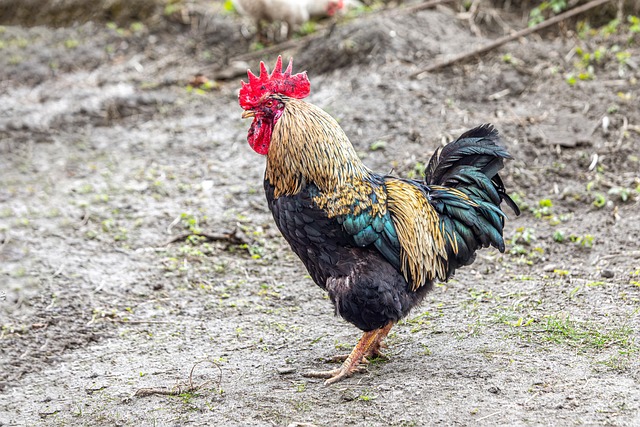


Drezmix is a friendly learning hub for backyard poultry farming in Ireland. We focus on everyday decisions that shape bird welfare and egg quality, such as coop layout, weather proofing, bedding choices, run rotation, and simple hygiene routines that fit real life. You will also find clear explanations of egg handling, including how shell color relates to breed, why yolk shade changes with diet, and how to store eggs so they stay fresh longer.
Our goal is to help you make informed choices without jargon or hype. We highlight practical steps and the reasons behind them, so you can build habits that work in a damp winter, a bright summer, or a week of mixed weather. Whether you keep a few hens for family breakfast eggs or you are planning a small flock for a larger garden, we aim to make poultry keeping feel approachable, colorful, and enjoyable.
Step by step guides for clean water, balanced feed, dry bedding, and safe enrichment. Good routines keep hens calm and help reduce common coop problems.
Learn what impacts shell strength, how to handle eggs after collection, and how storage temperature and cleanliness affect freshness in a typical Irish kitchen.
We break down what free range means in practice: access to outdoors, ground care, predator proofing, and how to keep runs usable when the rain sets in.
Flip cards and galleries that introduce temperament, egg size, and care notes. Great for planning a mixed flock that stays friendly and productive.
Want a deeper dive into the playful sections on this page?
Egg color and size can vary a lot in backyard flocks. Shell shade often reflects breed genetics, while egg size changes with hen age, nutrition, and overall health. These illustrated cards are designed to help you recognize what is normal, what is seasonal, and what signs suggest you should adjust feed, nesting comfort, or collection routine.
A common shade in mixed flocks. Focus on shell texture and strength, and keep nest bedding dry to help reduce hairline cracks.
Handy for everyday baking and breakfast. Medium sizes are typical for many hens once they settle into a steady laying pattern.
Speckles can be seasonal and harmless. Gentle handling is key, since speckling sometimes comes with thinner areas on the shell.
Store consistently once chilled. Avoid temperature swings and keep eggs in their carton to protect them from knocks and odors.
Use the button to see a short list you can remember.

Every flock has its own personalities. This interactive gallery uses flip cards to introduce common backyard chicken types you might keep in Ireland. Tap or press Enter on a card to flip it and see care notes, temperament hints, and what kind of eggs you might expect. These are general snapshots, since each hen is an individual and local conditions matter.
Calm, people friendly birds often do well with consistent routines and quiet nest boxes.
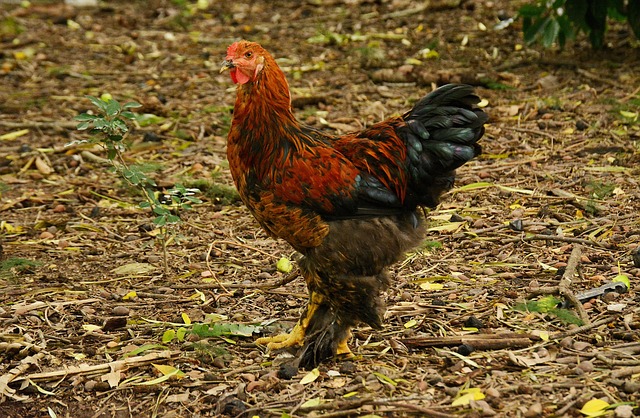
Tip: Provide sheltered spots so feathers stay dry in wet weather.
General egg note: calmer hens often lay best when nesting is predictable and quiet, with enough boxes for the flock size.
Curious birds that enjoy scratching and exploring. Great candidates for enriched runs and rotated grass.

Tip: Offer a dry digging box with leaves or woodchips during rainy weeks.
General egg note: active foragers may lay eggs with deeper yolk color when their diet includes varied greens and safe garden plants.
Birds that cope well with wind and damp conditions when their coop stays dry and ventilated.
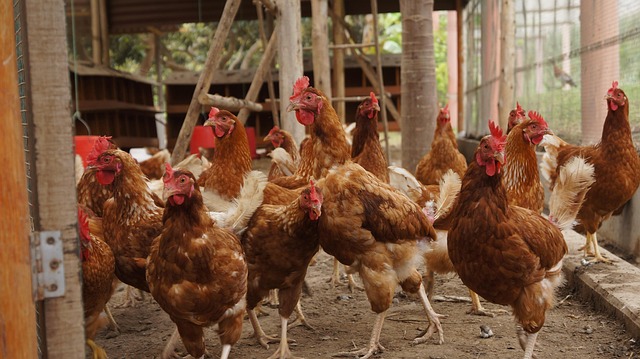
Tip: Ventilation high up helps remove moisture without creating drafts on roosts.
General egg note: shell strength benefits from balanced minerals. Consistent feed and access to grit can help in mixed garden diets.
Use the Flip buttons, or focus a card and press Enter, to reveal care notes. On touch screens, tapping the card controls works best.
Drezmix is built to help you move from curiosity to confident action without collecting unnecessary personal details. Start by exploring the topic that matches your goal, then apply a small change in your coop or kitchen routine. If you want help choosing a breed mix, setting up a nest box plan, or improving storage habits, our pages provide simple checklists and context so you can decide what fits your space.
When you are ready, you can contact us for general guidance. After you send a message, we review it and reply with practical next steps or relevant resources. We do not use hidden popups or automatic redirects, and the information you see is the same for every visitor, including those arriving from ads.
Pick egg varieties, meet the chickens, or read why free range matters. Each page is designed to be clear, scannable, and practical.
Apply small improvements such as nest bedding refresh, a steadier collection schedule, or better run cover for wet weeks.
Observe shell strength, nest cleanliness, and hen behavior. Small changes are easier to evaluate when you know what you are watching for.
If you send us a message, we respond with practical suggestions and links to the most relevant pages. You can ask about setup, egg handling, or flock planning.
Straight answers for common backyard poultry questions in Ireland. These responses are educational and meant to help you form good habits. For veterinary concerns, consult a qualified local professional.
Visit our contact page to send a message. We reply with general guidance and point you to the most relevant section of the site.
Go to ContactThe information on this website is for informational and educational purposes only and does not constitute veterinary, legal, or regulatory advice. Poultry health, food safety, and animal welfare requirements can vary by location and circumstance. Always follow applicable Irish regulations and food hygiene guidance, and consult qualified professionals for medical or urgent flock concerns.