

Skip to content
Interactive flock gallery

Meet Our Chickens

A happy backyard flock is a mix of good housing, steady routines, and breeds that suit your space. This page introduces a set of common chicken types that many Irish keepers enjoy. Use the filters to narrow by temperament or climate comfort, then flip each card for simple care notes. The aim is practical guidance you can act on, not a perfect one size plan.

How to use this gallery

1) Pick a filter to focus on what matters most in your yard. 2) Flip a card to read notes about nesting, run setup, and temperament. 3) Compare cards side by side and write down what matches your routine. If you contact us, include your space size and your goals, and we will point you to the most relevant pages and checklists.

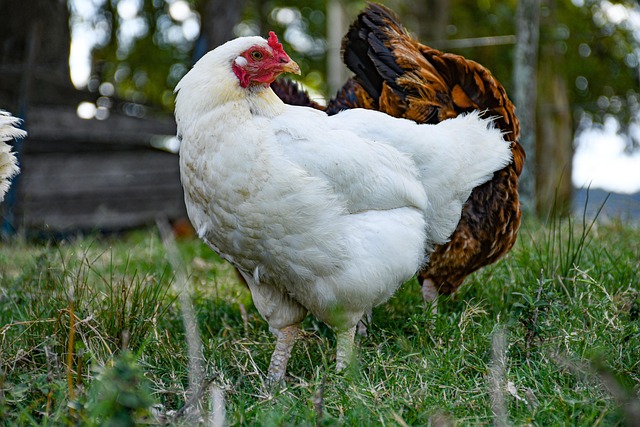
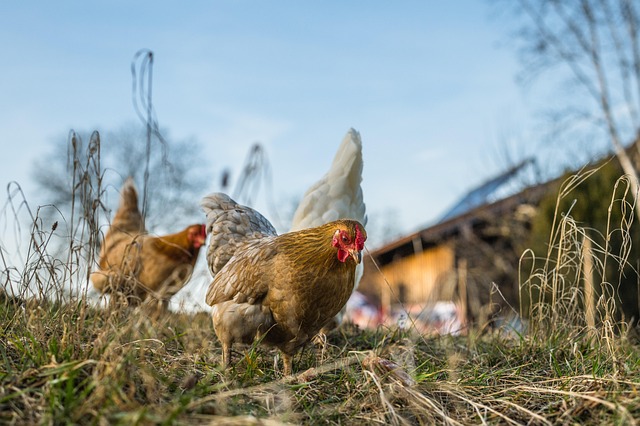
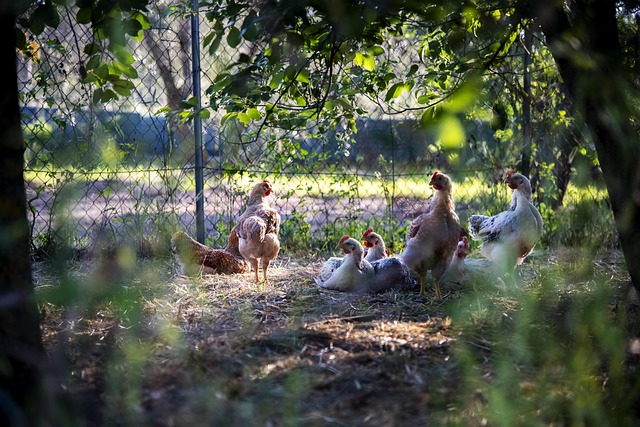
chickens walking near rural Irish barn with sunny sky
A calm run with cover, dry footing, and clear water access helps birds settle quickly.
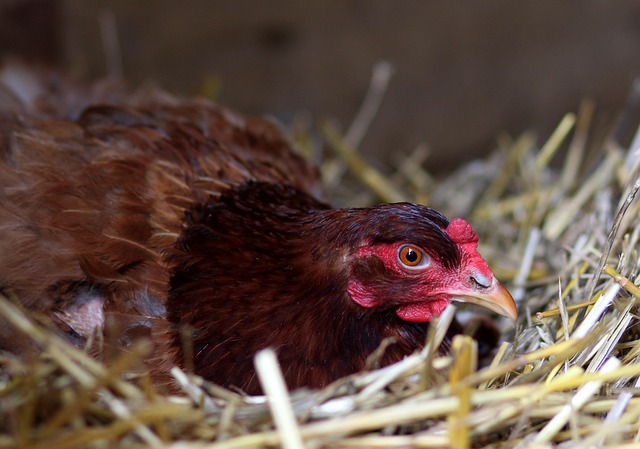
hen in nest box with straw and eggs
Nest comfort influences laying habits and shell cleanliness.
backyard chicken coop in Ireland with blue sky and grass
Dry coop floor plus high ventilation reduces moisture buildup.

Filter the flock

Use these quick filters to browse the gallery by typical backyard priorities. Filters are a planning aid, not a guarantee. Individual birds can behave differently, and your handling, coop design, and predator protection all play a role in how well a flock settles.

Choose a filter

Coop planning tip

If you want mixed breeds, aim for a calm baseline. Provide enough nest boxes, more than one feeder if space is tight, and at least one sheltered outdoor area so hens can choose comfort during wind or rain.

Interactive breed cards

Tap Flip to reveal care notes. Each card includes a short suggestion related to nest cleanliness, outdoor access, or moisture control. Those three themes matter a lot for keeping hens comfortable and eggs clean in Irish conditions.

Match breeds to your yard, not to a trend

Space, ground drainage, and predator protection decide a lot. If you want egg variety and calm routines, choose a mix that shares similar needs. Then design the coop and run to support that mix consistently.

Ask a general question