Base
Dry coop and nest area
Free range starts indoors. Ventilation and dry bedding reduce moisture buildup, which helps with comfort and keeps nest boxes cleaner.
Drezmix provides educational content for backyard poultry keepers who want a realistic, welfare focused approach to free range in Ireland. We explain how outdoor access affects behavior, egg cleanliness, and day to day management. Instead of presenting free range as a single checkbox, we break it into simple building blocks: safe boundaries, dry shelter, and routines that keep hens comfortable and your garden workable.
On this page you will find practical guidance on run layout, enrichment, and ground protection, plus a clear view of why the coop environment still matters even when hens spend time outside. Our aim is to help you design a system that supports natural behaviors while reducing avoidable stressors such as damp bedding, muddy feet, and exposed feeding areas. The result is a calmer flock and eggs that are easier to keep clean.
Outdoor access enables foraging, dust bathing, and movement. We show how to add simple structures and safe surfaces so hens stay engaged without damaging the whole lawn.
Irish rain can turn a run into mud. Our guidance focuses on cover, drainage choices, and rotation strategies that keep feet dry and reduce mess.
Free range only works when hens are protected. We cover common risk points like gaps, dig zones, and nighttime security habits.
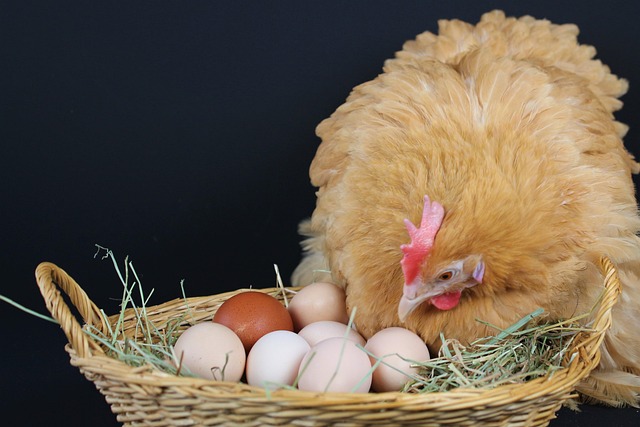
Mud and damp can lead to dirty shells. We explain how nest box placement, liner choice, and collection timing help maintain egg cleanliness.
For backyard keepers, free range means hens have regular, safe access to an outdoor space that supports natural behaviors, while the keeper maintains hygiene, shelter, and security so that access remains practical across the seasons.
A good free range setup balances freedom and structure. The goal is to give hens meaningful outdoor time while reducing the downsides that show up in wet climates, such as compacted soil, puddles near feeders, and eggs that get dirty before you collect them. These cards highlight the most useful components to plan first.
Free range starts indoors. Ventilation and dry bedding reduce moisture buildup, which helps with comfort and keeps nest boxes cleaner.
A roofed section helps hens go outside during rain without standing in mud. It also protects feed and reduces splashing.
Alternate access to grass, use woodchips in busy areas, and plan paths that stay firm. Rotation supports ground recovery.
Use strong fencing and pay attention to ground level gaps. Night security matters even if daytime free range is supervised.
A short checklist to reduce muddy shells and messy cartons.
Use this page as a planning guide. Start with one improvement that makes outdoor access easier to manage, then build from there. Many keepers begin with a covered outdoor section and a clearer feeding station. Once the ground stays drier, it becomes easier to keep feet clean, keep nests cleaner, and reduce the amount of mud tracked into the coop.
If you want help thinking through a small backyard layout, you can reach out via the contact page. After you submit your message, we review it and respond with general guidance and links to relevant pages. We do not request sensitive information, and you are free to ask broad questions about flock routines or run setup.
Identify the driest area for a coop and the best place for a covered run section. Even a small roofed zone can improve comfort.
Check gaps at ground level, corners, and gates. Free range is most sustainable when your setup is safe and predictable.
Rotate access to grass when possible and refresh high traffic areas with stable surfaces. Small changes reduce mud quickly.
Protect nest boxes, collect eggs daily, and store consistently. Cleaner eggs start with cleaner feet and drier nesting.
Common questions about free range routines, safety, and egg cleanliness. These answers are general education and should be adapted to your own setup.
Pair this guide with our breed gallery and egg cards to connect outdoor routines with the flock you keep and the eggs you collect.
The information on this website is for informational and educational purposes only and does not constitute veterinary, legal, or regulatory advice. Poultry health, food safety, and animal welfare requirements can vary by location and circumstance. Always follow applicable Irish regulations and food hygiene guidance, and consult qualified professionals for medical or urgent flock concerns.